The Ultimate Molokini Crater Snorkeling Guide
Molokini Crater is widely considered the crown jewel of Hawaiian snorkeling. This partially submerged volcanic crescent acts as a natural breakwater, protecting its inner cove from swells and currents, which results in legendary underwater visibility of up to 150 feet.
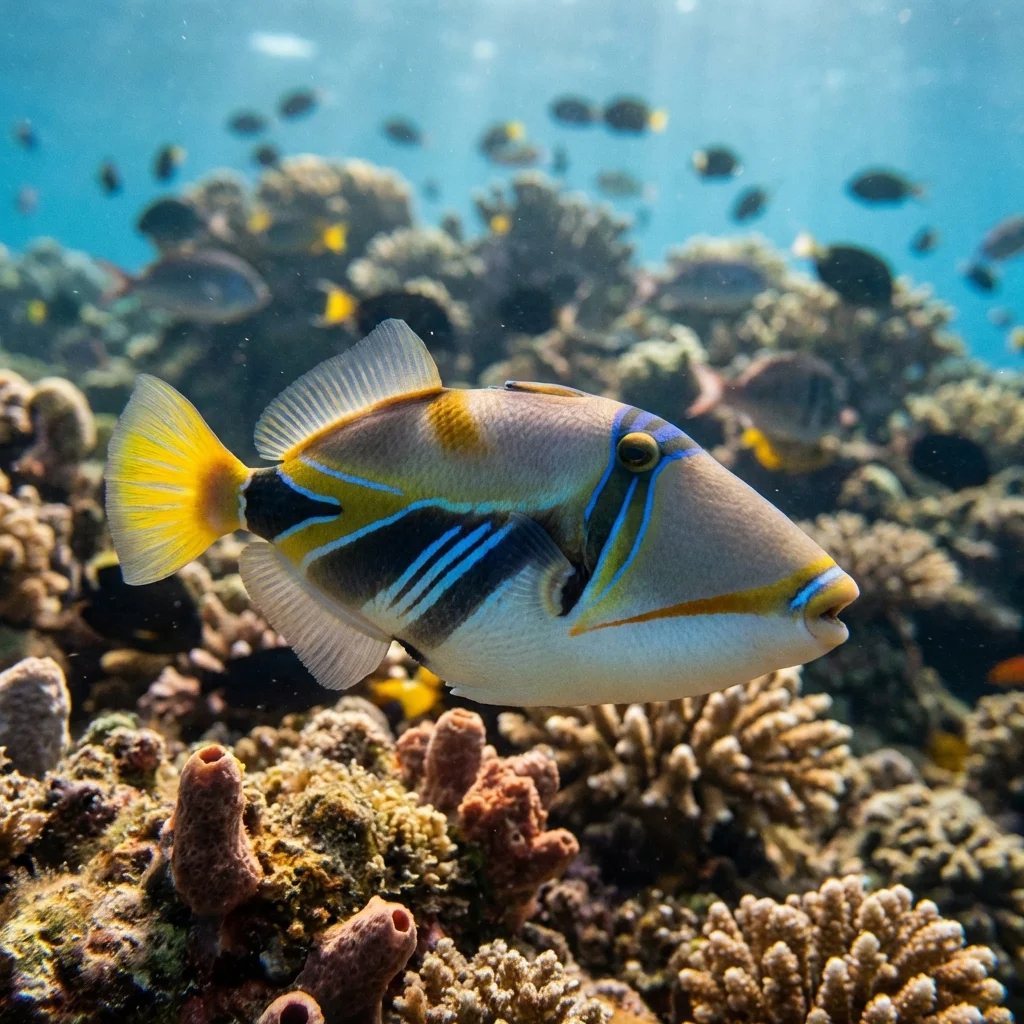
Why Snorkel Here?
- Exceptional Clarity: Average visibility is 100-150 feet.
- Diversity: Over 250 species of fish and 38 species of coral.
- Protected Waters: The crater's walls block the wind and waves.
Best Time for Snorkeling
Regardless of the season, morning tours consistently provide the best conditions. As the morning progresses, trade winds typically build, which can make the water choppy and reduce visibility inside the crater. Most tours depart between 6:00 AM and 8:00 AM to ensure snorkelers experience the calmest surface conditions.
Snorkeling Etiquette & Rules
Molokini is a protected State Marine Life Conservation District and Seabird Sanctuary. Strict regulations are in place to preserve this fragile ecosystem:
- Never Land: It is strictly prohibited to walk on the crater's edge or land any vessel.
- Look, Don't Touch: To protect both you and the marine life, never touch coral or animals.
- Reef-Safe Sunscreen: Hawaii law requires the use of mineral-based sunscreens (Zinc Oxide or Titanium Dioxide).
- Distance Requirements: Maintain at least 10 feet from sea turtles and 100 yards from humpback whales.
Essential Tips for Visitors
- Book in Advance: Tours often sell out 1-2 weeks ahead, especially in peak summer months.
- Equipment: Most tour operators provide fins, masks, and snorkels, but a rashguard or wetsuit top is recommended for sun protection and slight buoyancy.
- Seasickness: If you are prone to motion sickness, consider taking preventative measures before the boat departs Maalaea or Lahaina.
"It was way better than I expected, but not without some real letdowns..."
Read Our Honest 2026 Trip Review →