What a Molokini snorkeling tour actually is
Molokini is a crescent of volcanic rim sitting about three miles off South Maui, and the only way in is by boat. Every operator runs the same basic trip: cross the Alalakeiki Channel, moor inside the crescent where the water is protected, snorkel for roughly an hour, then usually stop at a second reef on the way back. It is a Marine Life Conservation District, so nobody anchors on the reef and nobody feeds the fish.
What you are choosing between is not the destination. It is the boat, the harbour, the departure time and how many people share the rail with you.
Book by departure time, not by price
This is the single decision that changes the day. Wind across the channel builds from morning to afternoon (roughly 8 mph at 6-9am against about 12 mph by late afternoon in the model's own 30-day record), and wind is what turns the crossing bumpy and the water cloudy. The first boat out is consistently the best boat, whatever it costs.
Afternoon "value" trips exist because the conditions are worse. That can still be the right call if the price gap is large and the forecast is flat, but check the strip at the top of this page before you decide.
Molokini snorkeling tours worth booking
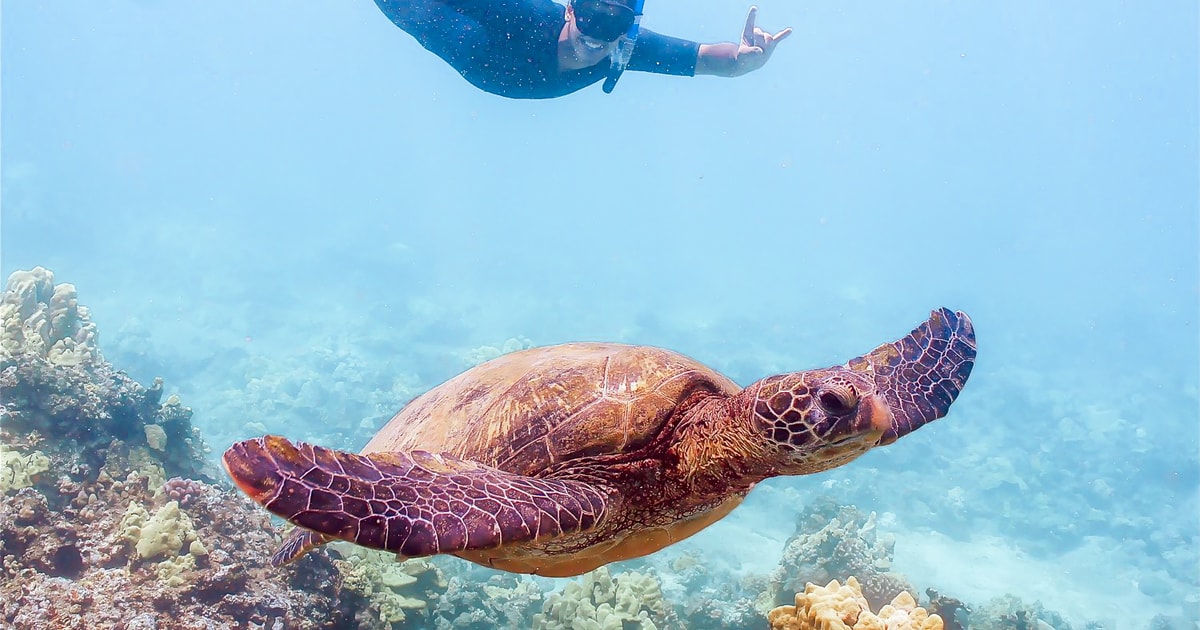
Classic Molokini Snorkel (South Maui)
The standard half-day crossing to the crater with gear, guides and a second reef stop. The default first-timer trip.
Check Availability & Prices →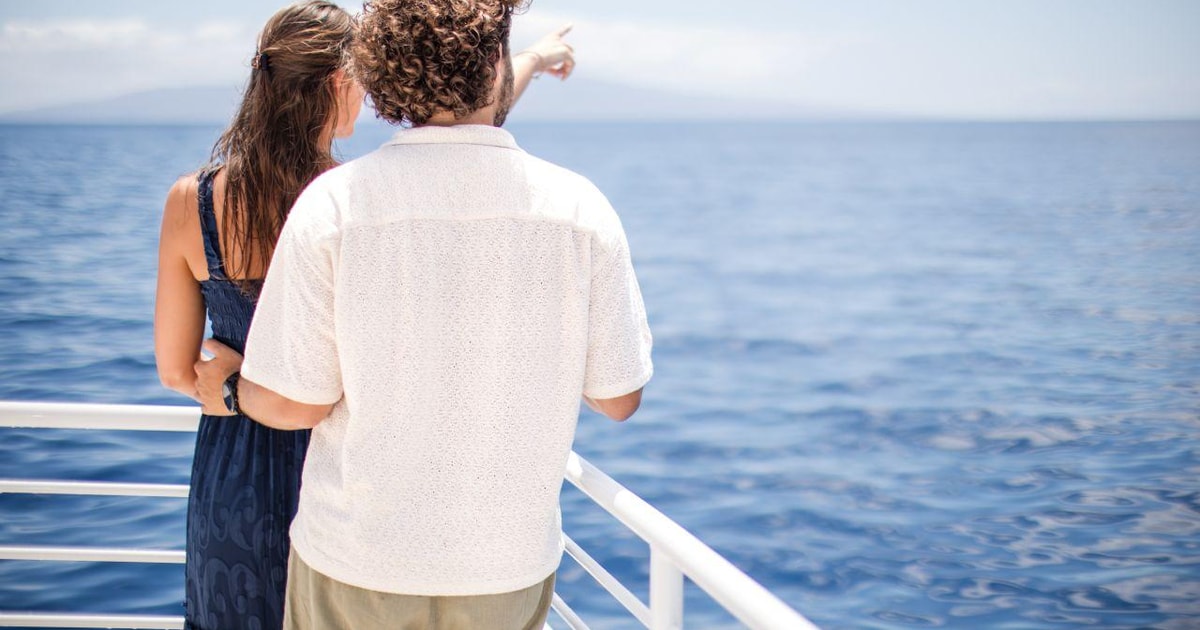
Deluxe Molokini Snorkel with Breakfast & Lunch
Longer morning charter with both meals aboard. Worth it if you want the earliest slot and fewer people in the water.
Check Availability & Prices →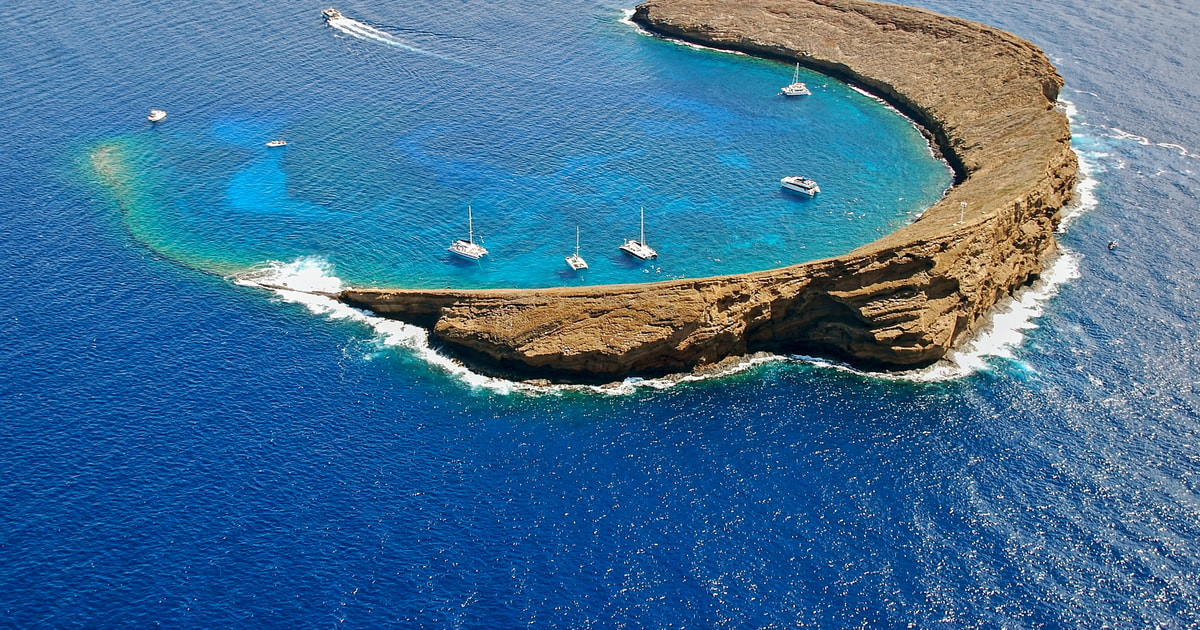
Molokini Performance Sail
Sailing catamaran rather than a motor boat. Quieter crossing, and the sail back is the point as much as the snorkel.
Check Availability & Prices →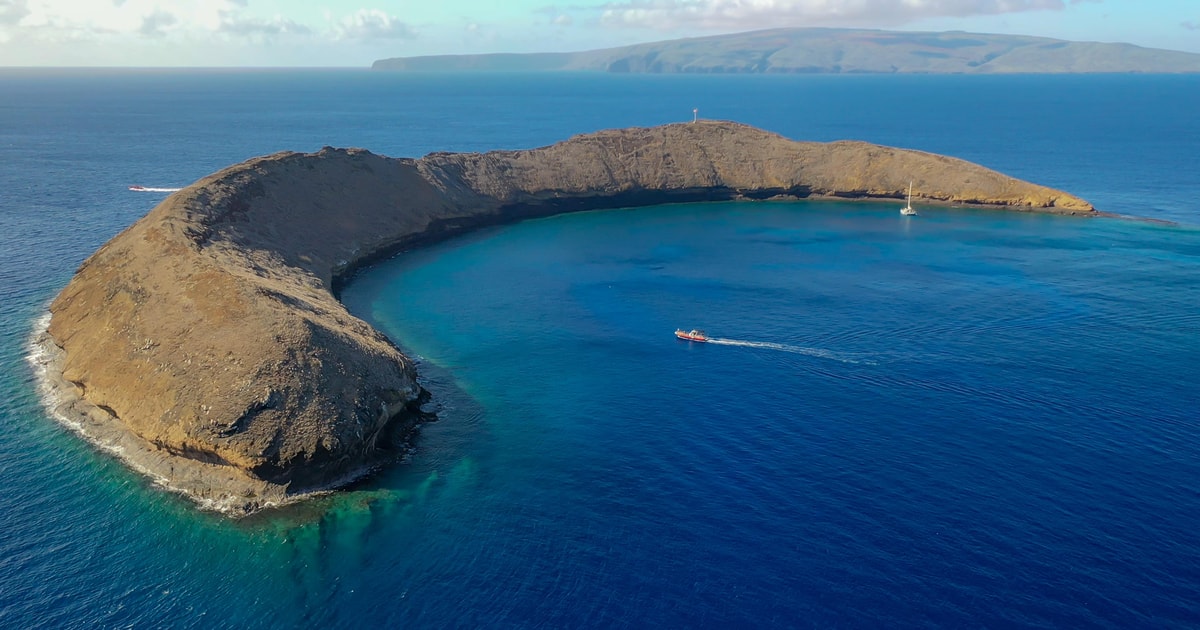
Molokini + Turtle Town (from Kihei)
Two stops, and the one to pick when the channel is up: Turtle Town is the sheltered backup operators divert to.
Check Availability & Prices →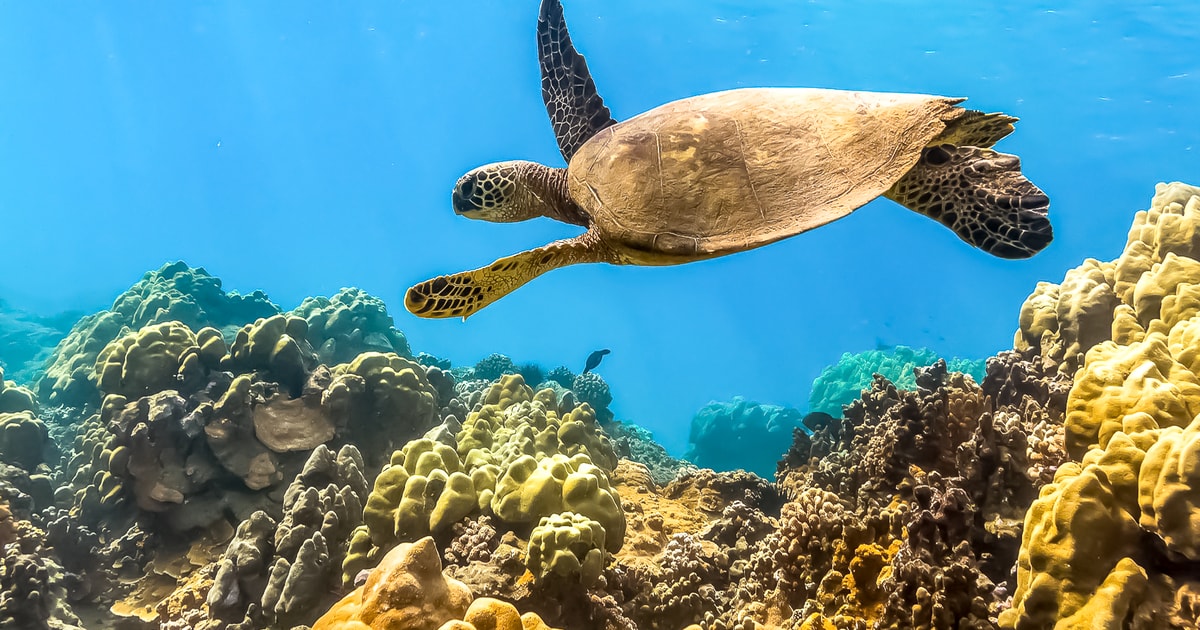
Molokini & Turtle Arches (from Maalaea Harbor)
Departs Maalaea, the harbour most big catamarans use. Easiest option if you are staying central or north.
Check Availability & Prices →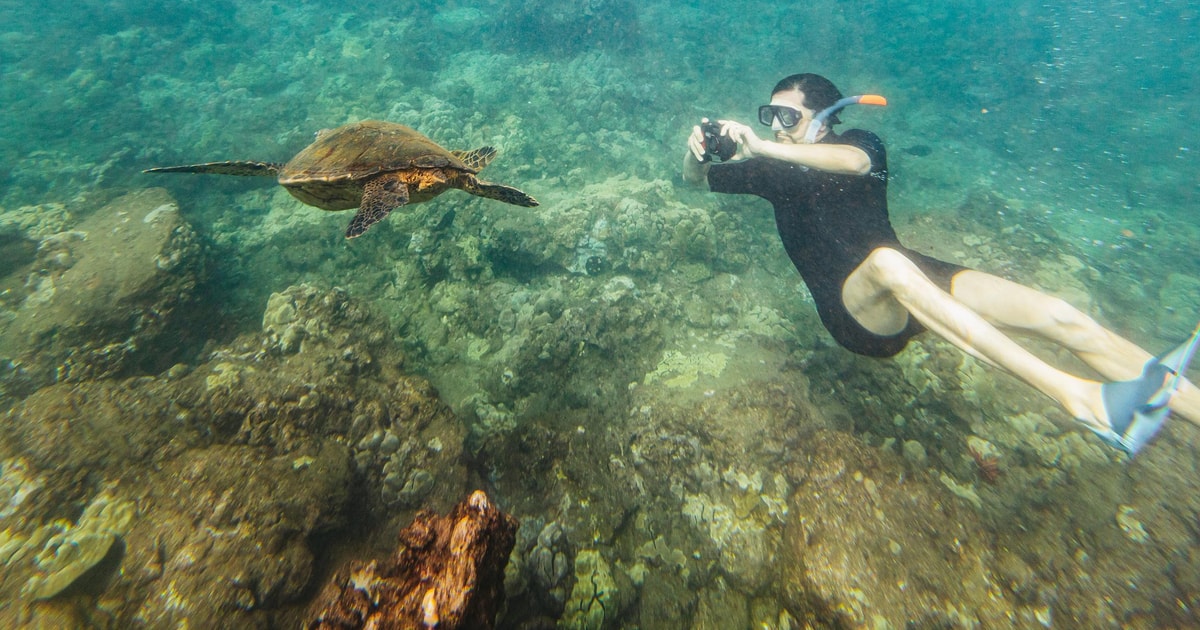
Molokini Aboard the Malolo
Smaller-group boat for travellers who would rather not share the rail with 100 people.
Check Availability & Prices →We earn a commission if you book through these links, at no extra cost to you. Full price breakdown on our Molokini tour comparison.
Where you leave from
From Kihei
Closest ramp to the crater, so the shortest crossing and the most water time.
From Maalaea Harbor
Where most large catamarans berth. Longest of the South Maui crossings at 11 miles, but the biggest and steadiest boats.
From Wailea
Resort-side pickups; most Wailea guests are routed to Kihei or Maalaea boats.
From Lahaina
Longer run down the coast. Check current departure status before booking.
From Kaanapali
North-west shore departures; the longest crossing of the four.
When the crater is closed out
On days when the channel is up, operators skip Molokini and run the sheltered reefs off Makena instead, usually Turtle Town. This is normal and not a cancellation. If the forecast is marginal, book a tour that already includes both stops so a diversion is an itinerary change rather than a refund conversation. Our Molokini weather and visibility guide explains the wind and swell patterns behind it, and the safety guide covers the conditions that actually matter in the water.
Common questions
How much is a Molokini snorkeling tour?
Roughly USD 90 to 310 per adult in 2026. Large shared catamarans sit at the low end, small-group boats and deluxe charters with breakfast and lunch at the high end. The price buys group size, meals and departure time rather than a different crater.
Which harbour should I leave from?
Kihei Boat Ramp is closest and gives the shortest crossing. Maalaea Harbor serves most of the larger catamarans. Wailea guests are usually shuttled to one of those two. Lahaina and Kaanapali departures involve a noticeably longer run each way.
Is it worth it?
For most visitors yes: visibility inside the crescent regularly exceeds 100 feet, which no shore snorkel on Maui matches. Less so if you are prone to seasickness, or if the only slot left is an afternoon departure on a windy day.